Build around familiar favourites first
When you are feeding a team, recognizable dishes usually outperform niche picks. People want something they can choose quickly and enjoy without having to decode the menu.
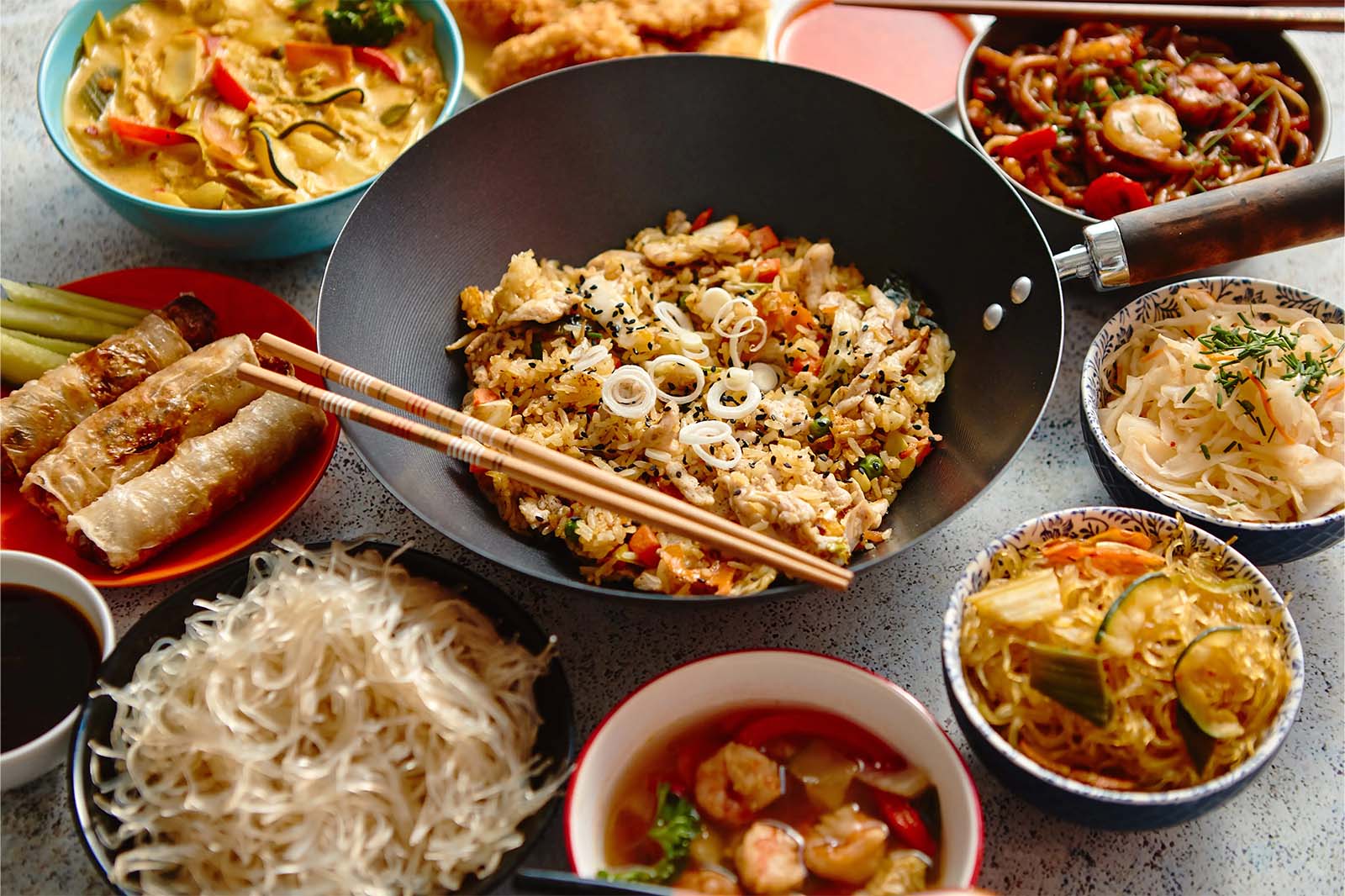
That is why team lunches often work best when the order includes noodles, rice-based dishes, and a few dependable starters rather than a long list of one-off items.
- Lead with dishes most people recognize
- Mix comforting mains with one or two lighter options
- Use starters to make the lunch feel more complete
Balance individual orders with shareable items
Some teams prefer clearly separated individual meals, while others are happier sharing across the table. A hybrid structure often works best: give people a dependable main and add a few shared starters or side dishes.
That approach keeps the lunch organized while still giving the group more variety.
- Use shared starters for larger or more social lunches
- Keep mains straightforward so distribution is easy
- Make sure vegetarian-friendly options are visible, not an afterthought
Think about logistics, not just flavour
The best lunch order on paper can still fail if it arrives hard to distribute or hard to share. Group lunches work better when the organizer chooses food that travels well, plates easily, and does not create confusion when it reaches the office.
That is part of what makes practical restaurants valuable for office lunch planning: they help reduce meal friction, not just supply food.
- Choose items that hold up well for pickup or delivery
- Keep labeling and guest counts organized
- Use direct contact when the lunch is too large for simple checkout