Why ingredient details decide office catering orders
Ingredient detail is not extra information. It is the trust layer that lets an office admin order with confidence. When teams book downtown Toronto office catering, the admin is signing off on food for colleagues with allergies, religious diets, vegetarian preferences, and spice limits they may never have discussed. When ingredient details are vague, that admin hesitates. When they are clear, decisions happen faster and with less stress.
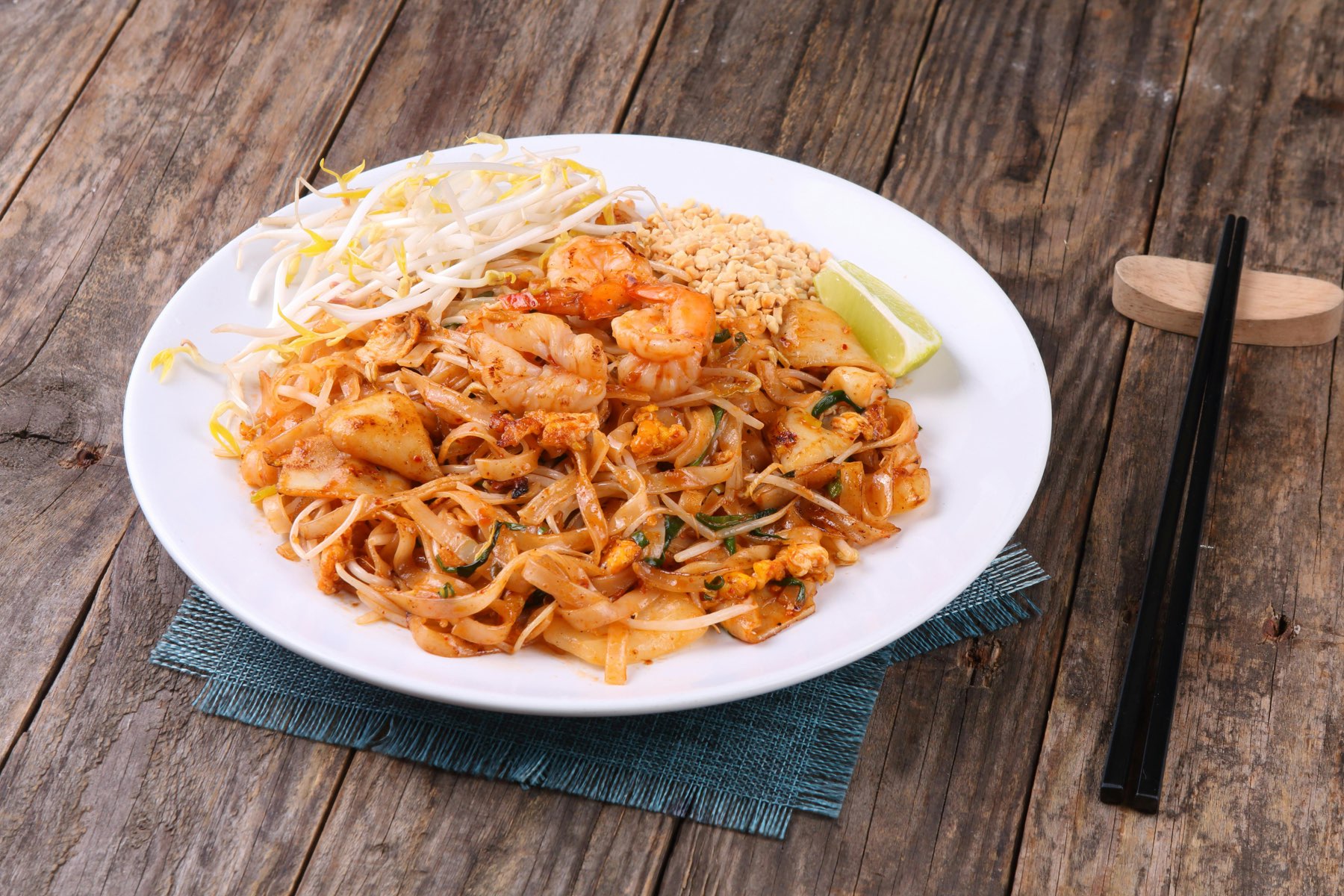
That is why ingredient transparency is a practical advantage for downtown catering, especially in mixed dietary environments. A tray labeled “Pad Thai” answers one question. A tray labeled “Pad Thai: rice noodles, egg, peanuts, fish sauce, tofu and chicken” answers five, and it lets the guest with a peanut allergy walk past it without asking who ordered lunch.
The pattern to avoid is the one most offices fall into without noticing. Without clear ingredient notes, hosts over-order “safe” dishes that nobody is excited about and under-order the dishes that would have improved variety and satisfaction. The result is a table with three plain trays running out of nothing and one curry that disappeared in ten minutes.
Ingredient clarity solves four things at once:
- Allergy and intolerance awareness for peanuts, cashews, egg, shellfish, and wheat-based sauces
- Vegetarian and vegan confidence, particularly around fish sauce and oyster sauce
- Expectations around spice and texture, so mild eaters know where to go
- Internal communication before the event, because the admin can forward a dish list instead of fielding questions
Treat the ingredient list as decision infrastructure, not menu decoration.
The Thai ingredients worth asking about
Thai food is easier to make transparent than most office catering because the ingredient lists are short and visible, but a handful of items hide in sauces and pastes. These are the ones a downtown organizer should ask about every time:
- Fish sauce and oyster sauce. Both are standard seasonings in Thai stir-fries, noodles, and soups. They are the main reason a vegetable dish is not automatically vegetarian. At Evergreen Thai, vegetarian and vegan versions of noodle, curry, and rice dishes are prepared on request, so state the need at order time.
- Egg. Typically in Pad Thai, Pad See Ew, and fried rice. Easy to leave out on request, but only if someone asks.
- Peanuts and cashews. Pad Thai is finished with crushed peanuts, Chicken Satay comes with peanut sauce, Massaman Curry often includes peanuts, and Cashew Chicken is named for its nut. These belong on a label.
- Shrimp paste. A traditional component of many Thai curry pastes. Vegan and shellfish-allergy guests need to know whether the curry served is made with a paste that contains it.
- Coconut milk. The base of Green, Red, Massaman, and Panang curries and Tom Kha soup. Thai curries at Evergreen use coconut milk, not dairy, which is why they suit dairy-free guests. The guide on whether Thai curry is dairy-free explains the coconut base in detail.
- Wheat in sauces. Soy sauce and oyster sauce usually contain wheat, so gluten-aware guests need sauce-level answers, not just “rice noodles”. See the gluten-free Thai catering options guide for dish-by-dish notes.
- Onion and garlic. Present in most stir-fries and curry pastes. No-onion-no-garlic versions are prepared on request for Jain and fasting-day guests.
Ask about these seven and the rest of the menu becomes easy to read.
Best catering dishes when you need clear ingredients
When a team has mixed dietary needs, ingredient clarity matters more than menu length. The dishes below are ordered by how easy they are to explain in one sentence, which is the practical test for an office lunch. Prioritize dishes with straightforward ingredient profiles over heavily layered sauces, and choose names that let the admin describe the tray without a paragraph.
Easiest to explain (short, visible ingredient lists):
- Golden Tofu. Fried tofu, served with a dipping sauce. Ask for the sauce ingredients if peanuts matter.
- Vegetable Fried Rice. Rice, mixed vegetables, soy sauce, usually egg. Order without egg for vegan guests.
- Jasmine rice. Rice. Nothing else. The anchor every other tray leans on.
- Mixed Vegetable Curry. Coconut milk, curry paste, seasonal vegetables. Confirm the paste for vegan guests.
- Green Curry and Red Curry. Coconut milk, curry paste, basil, vegetables, and the chosen protein. Coconut-based and dairy-free.
- Basil Stir Fry and Tofu Basil. Protein or tofu, Thai basil, chili, garlic, soy-based sauce. Bold flavour, short list.
- Mango Salad. Green mango, herbs, lime dressing. Confirm whether the dressing uses fish sauce and whether it is finished with peanuts.
Excellent, but label them:
- Pad Thai and Vegetable Pad Thai. Rice noodles, egg, peanuts, tamarind-based sauce with fish sauce in the standard version. Vegetarian and vegan versions on request.
- Pad See Ew. Wide rice noodles, egg, Chinese broccoli, dark soy sauce (contains wheat).
- Chicken Satay. Grilled chicken skewers with peanut sauce. Serve the sauce on the side so the skewers stay nut-free at the table.
- Cashew Chicken. Chicken, cashews, vegetables, soy-based sauce. Nut content is in the name, which helps.
- Tom Yum and Tom Kha soup. Tom Yum uses fish sauce, lime, and chili; Tom Kha adds coconut milk. Both usually contain shrimp or chicken, so confirm the protein.
- Crispy Calamari and Spring Rolls. Calamari is shellfish and needs a label. Spring Rolls are usually vegetable-filled; confirm the wrapper for gluten-aware guests.
For a stable mixed-team order, pick one substantial vegetarian base (Mixed Vegetable Curry or Vegetable Pad Thai) and one protein contrast (Cashew Chicken or Green Curry with chicken). That pairing covers most of a downtown office with two labels.
Build the order in three tray roles
High-performing mixed-group orders are built with role-based tray design, not ad-hoc substitutions. Once ingredient notes are in hand, sort every dish into one of three roles:
- Anchor trays: substantial vegetarian mains with real volume. Vegetable Pad Thai, Mixed Vegetable Curry, Tofu Basil, Vegetable Fried Rice. These are sized for crossover demand, because meat eaters share them freely.
- Bridge trays: dishes both vegetarian and non-vegetarian guests reach for without thinking. Spring Rolls, Golden Tofu, Mango Salad, jasmine rice. They reduce segmentation at the table.
- Confidence layer: explicit ingredient notes on every tray for egg, peanuts, fish sauce, shellfish, wheat, and spice level, plus a note on which dishes were prepared vegan or no-onion-no-garlic on request.
The failure modes are consistent across offices: treating vegetarian dishes as side-only coverage, sizing vegetarian volume to the strict vegetarian headcount, leaving ingredient language ambiguous in the planning notes, and fragmenting the order into so many individual specials that the table loses cohesion.
A practical rule for the anchor trays: plan vegetarian mains for about one and a half times the vegetarian count. A 30-person lunch with 8 vegetarians needs vegetarian mains that could feed 12. The mixed dietary preferences guide sets out the half-vegetarian, half-chicken ratios by group size, and the vegetarian catering guide for downtown Toronto explains what “vegetarian” needs to mean at order time.
Ask the kitchen the right questions
The fastest way to get a usable ingredient list is to ask specific questions before the order, not general ones. “Any allergens?” produces a shrug. The five below produce answers the admin can forward to the team:
- Which dishes on this order contain egg?
- Which contain peanuts, cashews, or peanut sauce?
- Which use fish sauce or oyster sauce, and which can be made without?
- Which sauces contain wheat?
- Does the curry paste contain shrimp paste?
Add two follow-ups for the tray plan: which dishes can be prepared vegetarian, vegan, dairy-free, gluten-aware, or no-onion-no-garlic on request, and can each tray be labeled with its dish name and a short ingredient line.
Send the questions with the dietary list, in writing, and before the kitchen starts cooking. Evergreen Thai’s team can be reached through the contact page or by phone at +1 416-581-8668, and written notes are easier to check against the order than a call remembered by two people. Timing matters: ingredient adjustments such as no egg or no fish sauce are simple when they arrive with the order and impossible once trays are packed.
One honesty point to pass on to the team. The kitchen at 175 Dundas St W is shared, and fish sauce, oyster sauce, peanuts, egg, and shellfish are all in daily use. Dishes are prepared to request, ingredient notes are given plainly, and nothing is presented as certified allergen-free. Guests with severe allergies should decide with that information in hand.
Ingredient-aware ordering reduces waste and budget stress
Ingredient-aware planning cuts waste, which is the same thing as cutting cost. When hosts understand each dish’s role and composition, they make stronger quantity choices: fewer defensive trays of plain food, more of the dishes the team will finish.
The connection works in three ways:
- Fewer duplicate “safe” trays. If the admin knows Mixed Vegetable Curry is vegan on request and dairy-free by default, one tray does the job that three cautious side dishes used to do.
- Better anchor sizing. Knowing which trays will be shared across the whole table lets you size them for crossover instead of guessing and over-ordering everything.
- Faster reorders. Once the ingredient notes and tray roles exist, the second order is the same list with a new headcount.
Ingredient clarity also improves the room on the day. Clearly named, labeled trays mean fewer last-minute questions, less confusion at the table, a queue that keeps moving, and a host who is not fielding “does this have nuts” while trying to run a meeting.
For tray counts per 10, 20, 30, or 50 guests and the budget planning ranges that go with them, use the guest count and budget catering guide. Send delivery notes and dietary notes in the same message so the kitchen sees the whole order at once.
How Evergreen Thai handles ingredient questions
Many caterers claim flexibility. Fewer will tell you exactly what is in the tray. Evergreen Thai Kitchen & Bar has been cooking for downtown Toronto teams since 2007, and the working approach is simple: mixed dietary support with plain ingredient notes, realistic tray sizing, and planning help for groups from 10 to 500 or more.
That means one order can carry Thai favourites for the whole floor and dedicated vegetarian coverage for the people who need it, rather than two fragmented orders for the same lunch. Vegetarian, vegan, dairy-free, gluten-aware, and no-onion-no-garlic versions of noodle, curry, and rice dishes are prepared on request, curries are built on coconut milk rather than dairy, and every tray can go out labeled with its dish name and ingredient line.
Because the kitchen sits at 175 Dundas St W near University Ave, trays reach Financial District towers, the hospital row, TMU, UofT, and City Hall inside the 5 km direct group delivery radius for orders over CAD 200, still hot, with the labels already on.
Send the dietary list and the five ingredient questions with your headcount and room-ready time, and you will get back a tray plan you can forward to the team without editing. You can get a catering quote online, or call +1 416-581-8668 to walk through the ingredient notes dish by dish.