
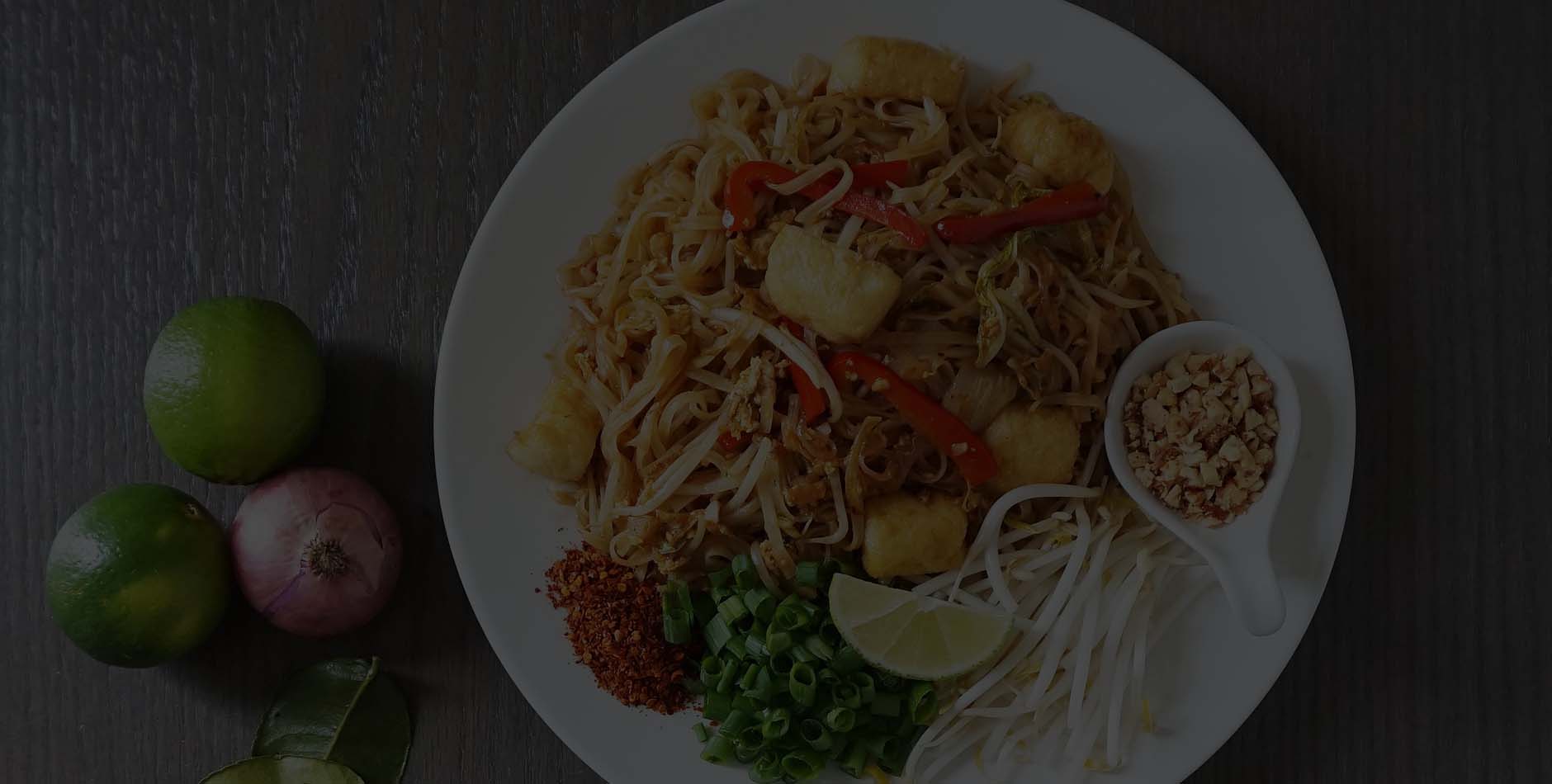
When teams compare downtown restaurant catering vs out-of-area vendors, distance and execution often matter more than menu promises.
The strongest downtown positioning is not “we can deliver to downtown.” It is “we are already downtown.”
Why proximity changes catering outcomes
When routes are shorter, teams usually get better execution on:
- temperature retention for hot dishes
- tighter delivery timing windows
- less risk from traffic and long cross-city routing
- easier communication when schedule changes happen
Downtown location to meal-quality chain
A practical sequence for teams is:
Downtown location -> shorter route -> food prepared closer to service -> hotter delivery -> better office lunch experience.
That logic is more persuasive than generic “fresh ingredients” claims because it explains the operational reason behind quality.
How Evergreen Thai fits this model
Evergreen Thai is positioned in the downtown core near office towers, campus zones, civic buildings, and condo clusters. That makes the catering workflow better suited for weekday office and event timelines where reliability matters.
Related planning links
- Downtown Toronto catering master hub
- Financial District catering hub
- Street and building catering hub
- Catering main page
- Catering quote form
For your next event, include building details, headcount, and dietary notes in the quote form.
Advanced decision framework for format comparison
Comparison intent should be resolved with a decision matrix rather than preference claims:
- experience fit: how the meal supports meeting energy and team interaction
- dietary fit: mixed-group inclusion under real office constraints
- operational fit: setup speed, cleanup burden, and downtown logistics
- economic fit: total effort and value, not just sticker price
KPI stack for choosing the right format
- organizer effort score (time to plan + time to coordinate)
- attendee satisfaction by format type
- repeat likelihood for similar events
- service friction incidents (setup, handoff, clarity)
Failure modes in comparison content
- over-weighting price while ignoring execution risk
- assuming all groups have the same dietary complexity
- choosing format based on habit, not event objective