Shorter routes can improve catering freshness, handoff accuracy, and schedule confidence for busy downtown teams.
The strongest downtown positioning is not “we can deliver to downtown.” It is “we are already downtown.”
Why proximity changes catering outcomes
When routes are shorter, teams usually get better execution on:
- temperature retention for hot dishes
- tighter delivery timing windows
- less risk from traffic and long cross-city routing
- easier communication when schedule changes happen
Downtown location to meal-quality chain
A practical sequence for teams is:
Downtown location -> shorter route -> food prepared closer to service -> hotter delivery -> better office lunch experience.
That logic is more persuasive than generic “fresh ingredients” claims because it explains the operational reason behind quality.
How Evergreen Thai fits this model
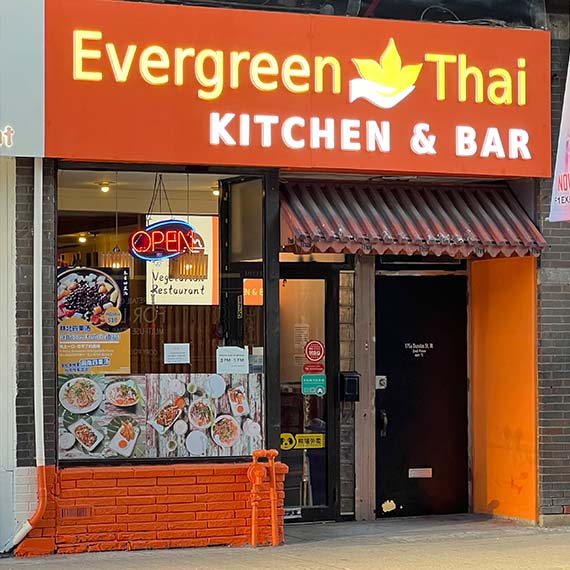
Evergreen Thai is positioned in the downtown core near office towers, campus zones, civic buildings, and condo clusters. That makes the catering workflow better suited for weekday office and event timelines where reliability matters.
Related planning links
- Downtown Toronto catering master hub
- Financial District catering hub
- Street and building catering hub
- Catering main page
- Catering quote form
For your next event, include building details, headcount, and dietary notes in the quote form.
KPI stack to measure real catering quality
Track performance in metrics that owners and office admins can actually use:
- on-time in-room readiness rate (not only curb arrival)
- hot-handoff quality score from post-event feedback
- dietary incident rate (missing or unclear requirements)
- reorder cycle length for similar event types
Failure modes to pre-empt
Most downtown failures come from process gaps, not cuisine quality:
- missing suite/floor details
- contact person unreachable on delivery
- setup table not ready
- dietary requests split across multiple messages
Treat these as operating risks and include them in every pre-service checklist.