Toronto’s World Cup summer will be deeply international
Toronto is already one of the world’s most international cities, and FIFA World Cup 2026 will intensify that reality.
Tourism and municipal materials already point to stronger visitor demand from markets including the UK, Germany, Mexico, China, Japan, and South Korea. FIFA’s own ticketing demand also highlights strong interest from several European and Latin American countries. That means many downtown groups will be made up of visitors with different food expectations and different travel rhythms.
Mixed travel groups need flexible food
International visitor groups often include more variation than local groups.
They may include:
- relatives meeting in Toronto from different countries
- fans traveling together with different tastes
- business and leisure travelers blended into one outing
- visitors with different energy levels after a long day
That is why the safest shared meal is often one that feels flexible without feeling generic.
Thai food can be a practical middle ground
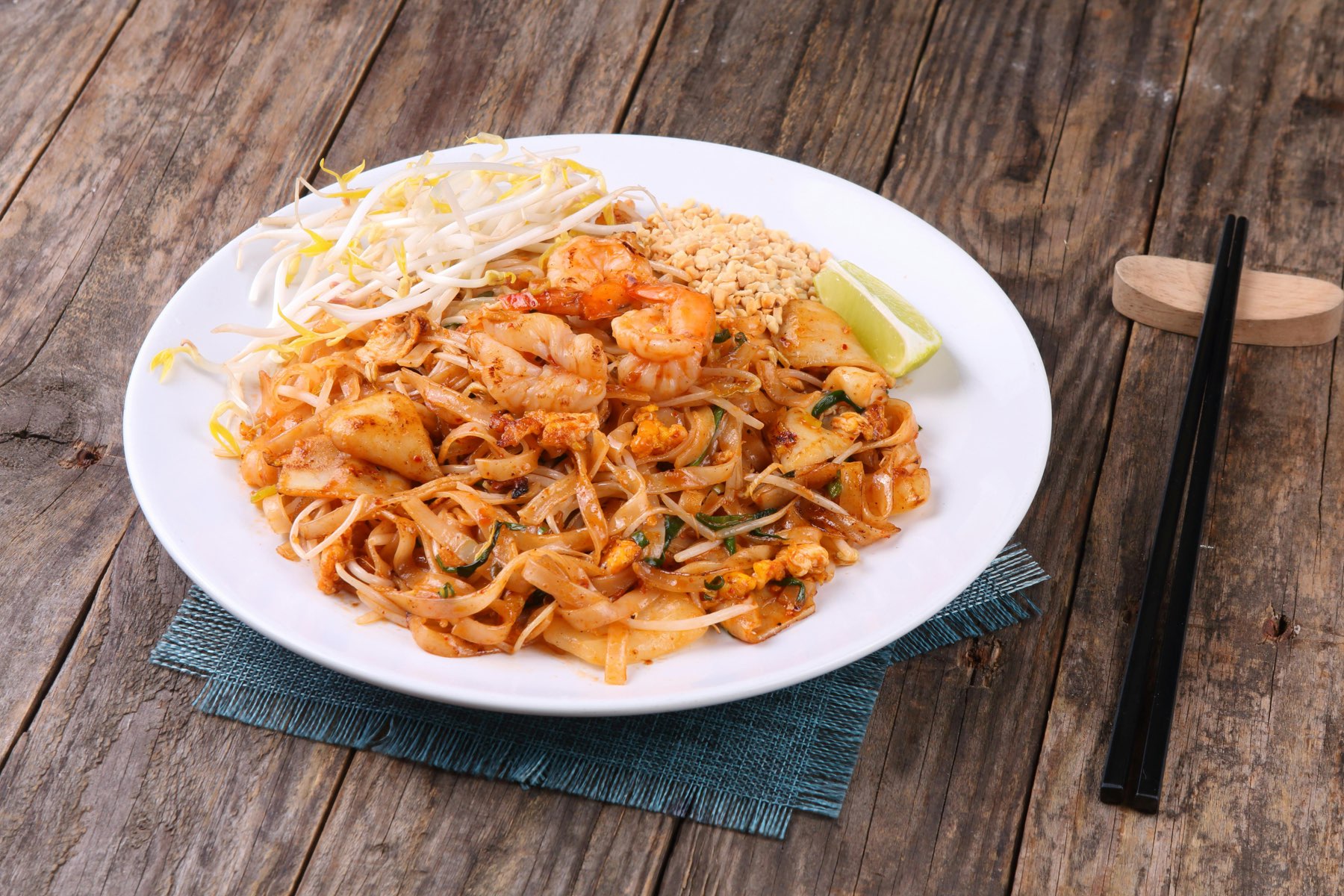
For mixed international groups, Thai food often works well because it naturally supports sharing.
Shared dishes can lower the pressure of individual ordering, while the menu can still include:
- familiar chicken-based mains
- vegetarian-friendly options
- lighter dishes
- richer dishes for fuller appetites
That variety makes it easier for a group to settle into the meal without needing everyone to want the exact same thing.
Travel groups usually care about ease as much as cuisine
Visitors often do not only ask, “What food should we eat?”
They also ask:
- Is it easy to get there?
- Will the whole group find something to eat?
- Can we keep moving through downtown after the meal?
- Does this fit a sightseeing or match-day schedule?
That is why practical downtown dining can be more valuable than a highly niche experience for many international groups.
Shared meals make social translation easier
When a group includes visitors from different backgrounds, the meal itself becomes part of the social experience.
Shared dishes often help because they make the table feel more conversational and less transactional. People can try more than one thing, move at different paces, and stay engaged without needing a perfect one-person-one-meal structure.
Downtown Toronto location matters to visitors
During World Cup season, route convenience will matter even more.
Visitors may be moving between hotels, attractions, transit, match-day plans, and downtown neighborhoods. A central meal option becomes valuable not only because of the food, but because it lowers the cost of movement in a busy city.
If your visitor group is choosing meals around sightseeing as much as soccer, this attractions-focused Toronto dining guide is the right next read.
International does not mean everyone wants the same thing
It is important not to assume that one cuisine or one menu style will automatically fit all international visitors.
The real goal is broader than that. It is to choose food that gives the group enough range to feel included. Shared Thai meals often help precisely because they support variety without making the meal overly fragmented.
What visitor groups should decide before choosing a meal
If your group is visiting Toronto during World Cup 2026, decide:
- group size
- where you are staying
- where you will be before and after eating
- dietary needs
- whether the meal is quick or more social
These decisions usually matter more than chasing a single “must-try” list.
Final Thoughts
Thai food can work especially well for international groups visiting Toronto during FIFA World Cup 2026 because it supports sharing, variety, and practical downtown meal planning.
If you are organizing food for a mixed visitor group, review the catering page, browse the menu, or contact Evergreen Thai with your headcount and downtown plans.