
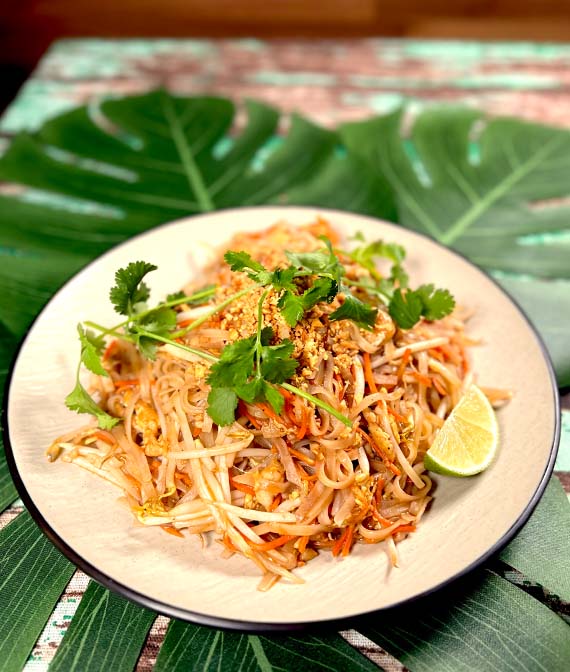
Downtown office catering often fails for a simple reason: the order is planned around average preferences, not mixed dietary reality.
In most teams, vegetarian guests are not a tiny exception anymore. They are part of the normal meal plan. But many organizers still treat vegetarian dishes like side coverage, while the main menu stays centered on one protein style. That usually causes two problems: vegetarian guests feel under-served, and hosts lose confidence that the order is inclusive.
A stronger approach is to design one mixed-group catering order where vegetarian dishes feel central, substantial, and easy for everyone to share.
Start with the real planning constraints
Before choosing dishes, get four inputs clear:
- headcount range and realistic attendance
- service style (meeting lunch, workshop, team social, training day)
- dietary spread (vegetarian, vegan, egg/dairy preferences, allergies)
- delivery timing and handoff window
When these are unclear, people over-order random items and under-order practical mains.
If the event is clearly group-focused, start from the catering quote form so the order can be scoped around real constraints.
Build around mixed-group balance, not vegetarian tokenism
For a downtown office lunch, a stable structure usually includes:
- one to two vegetarian mains with real volume
- one non-vegetarian crowd-pleaser for mixed comfort
- one lighter side or salad to keep the table balanced
- one starch/noodle/rice anchor for flexible plating
This pattern prevents the common situation where vegetarian guests have too little coverage while non-vegetarian guests also consume the vegetarian tray.
Why Evergreen can differentiate here
A lot of catering pages say they “offer vegetarian options” but stop at generic labels.
Evergreen can position more clearly: downtown Toronto mixed-group support, practical tray sizing, and ingredient-level clarity through the Vegedelight angle. That message is stronger than a generic plant-based claim because it helps office admins make safer decisions quickly.
For mixed-group context, this article is a useful companion: VegeDelight and Evergreen Thai for mixed groups.
Use menu language that helps office admins decide
Admins and HR coordinators are usually not choosing cuisine for personal taste. They are reducing planning risk.
Good decision language includes:
- “substantial vegetarian mains” instead of “vegetarian options available”
- “clear ingredient notes” instead of “customizable upon request”
- “mixed-team tray planning” instead of “special diets accommodated”
That language improves trust because it sounds operational, not promotional.
Map the order to guest-count reality
For most office lunches, portion planning should align with likely tray-sharing behavior rather than exact equal portions. Mixed teams usually sample across dishes.
If you are unsure how to size trays, pair this guide with:
These planning references make quantity decisions easier before you finalize the quote.
Keep dietary communication simple but explicit
For office settings, use one pre-order checklist email that asks:
- vegetarian count
- vegan count (if any)
- allergy alerts
- spice comfort level
- serving window and delivery contact
This avoids day-of confusion and lowers the risk of last-minute substitutions.
Downtown Toronto context matters
Many downtown orders involve loading docks, reception handoff, elevator timing, or narrow serving windows. Food planning is only half the job; logistics determine whether the meal lands well.
That is why catering decisions should connect menu planning with delivery feasibility, especially for group orders near office towers, civic buildings, and campus-adjacent areas.
Final thought
Vegetarian office catering works best when it is planned as a mixed-group system, not a dietary add-on. The goal is to feed the whole team confidently, with clear dish roles, practical tray sizing, and transparent communication.
Next steps:
- Start your event scope on the catering page
- Use the quote form for headcount and dietary planning
- Review related guides: office lunch catering downtown Toronto, gluten-free catering options, and mixed vegetarian + chicken ordering
Advanced mixed-diet planning model
High-performing mixed-group orders are built with role-based tray design, not ad-hoc substitutions:
- anchor trays: substantial vegetarian mains with real volume
- bridge trays: dishes that both vegetarian and non-vegetarian guests can share
- confidence layer: explicit ingredient notes for egg, dairy, nuts, spice sensitivity, and optional substitutions
KPI stack for dietary reliability
For recurring office and event orders, track:
- dietary confidence score from organizer feedback
- vegetarian tray depletion pattern vs expected usage
- post-event complaint rate linked to unclear ingredients
- reorder rate from mixed-diet teams
Failure modes to avoid
- treating vegetarian dishes as side-only coverage
- volume sized only to strict vegetarian headcount
- ambiguous ingredient communication in planning notes
- over-fragmented orders that reduce table cohesion