
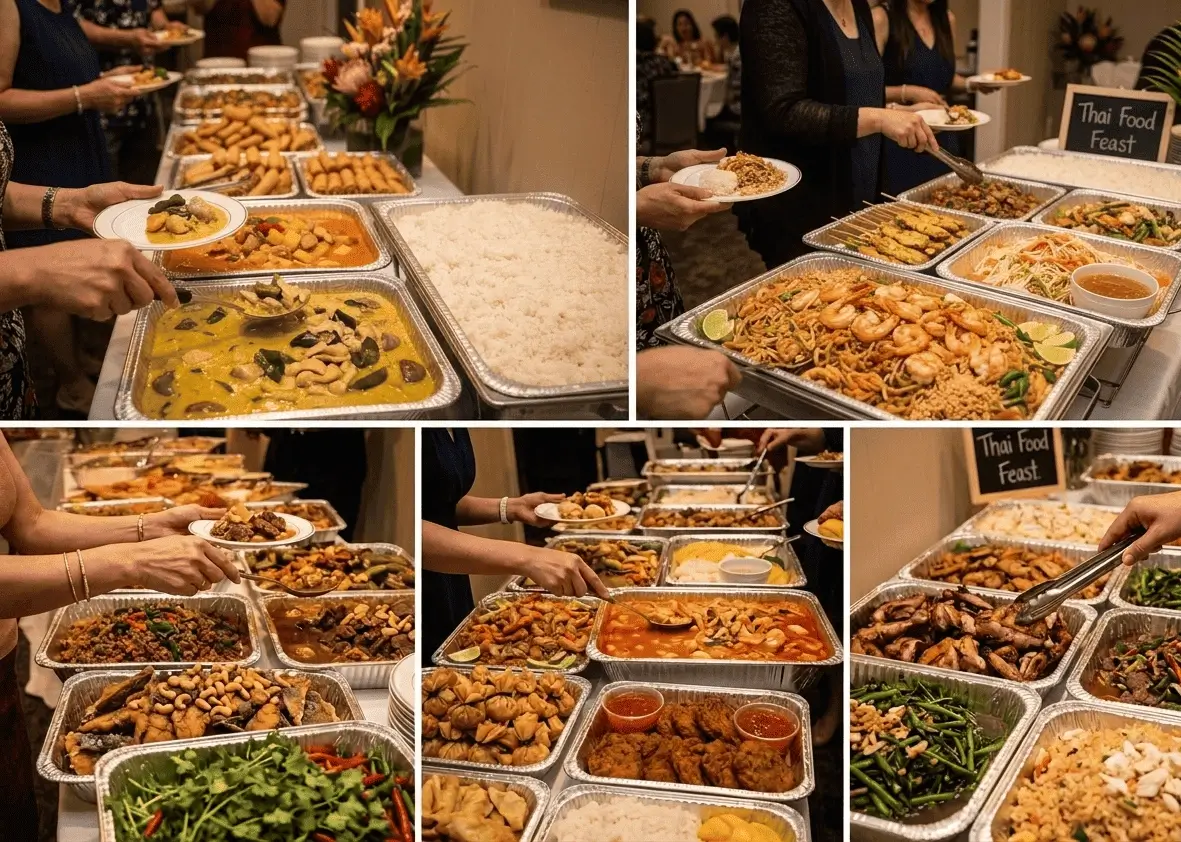
UofT group catering gets easier when organizers define headcount confidence, dietary spread, and service style early.
In downtown Toronto, successful group catering is a planning task before it is a dish-selection task. Organizers need menus that work for mixed diets, buildings that have real access constraints, and event formats that require reliable timing.
Why this micro-location matters
UofT-facing downtown events has repeated catering demand from teams that need reliable weekday service. The winning approach is to pair menu simplicity with predictable logistics.
Planning playbook for UofT department lunches
- Department lunches benefit from predictable tray combinations.
- Student groups often need flexible pricing by attendance confidence.
- Include one vegetarian anchor that can serve broad dietary overlap.
Menu structure that works for downtown delivery
A strong mixed-group format typically includes:
- vegetarian main with full-tray volume
- one complementary protein tray for broader preference coverage
- one vegetable-forward support dish
- one rice or noodle anchor for serving stability
This keeps service practical and reduces risk during tight lunch windows.
Related pages in the downtown catering cluster
- Catering near PATH and Union Station
- Catering near Union Station Toronto
- Catering near MaRS Discovery District
- Catering near King-Spadina offices
For your next order, submit event details on Evergreen Thai catering using the quote form.
KPI stack to measure real catering quality
Track performance in metrics that owners and office admins can actually use:
- on-time in-room readiness rate (not only curb arrival)
- hot-handoff quality score from post-event feedback
- dietary incident rate (missing or unclear requirements)
- reorder cycle length for similar event types
Failure modes to pre-empt
Most downtown failures come from process gaps, not cuisine quality:
- missing suite/floor details
- contact person unreachable on delivery
- setup table not ready
- dietary requests split across multiple messages
Treat these as operating risks and include them in every pre-service checklist.