
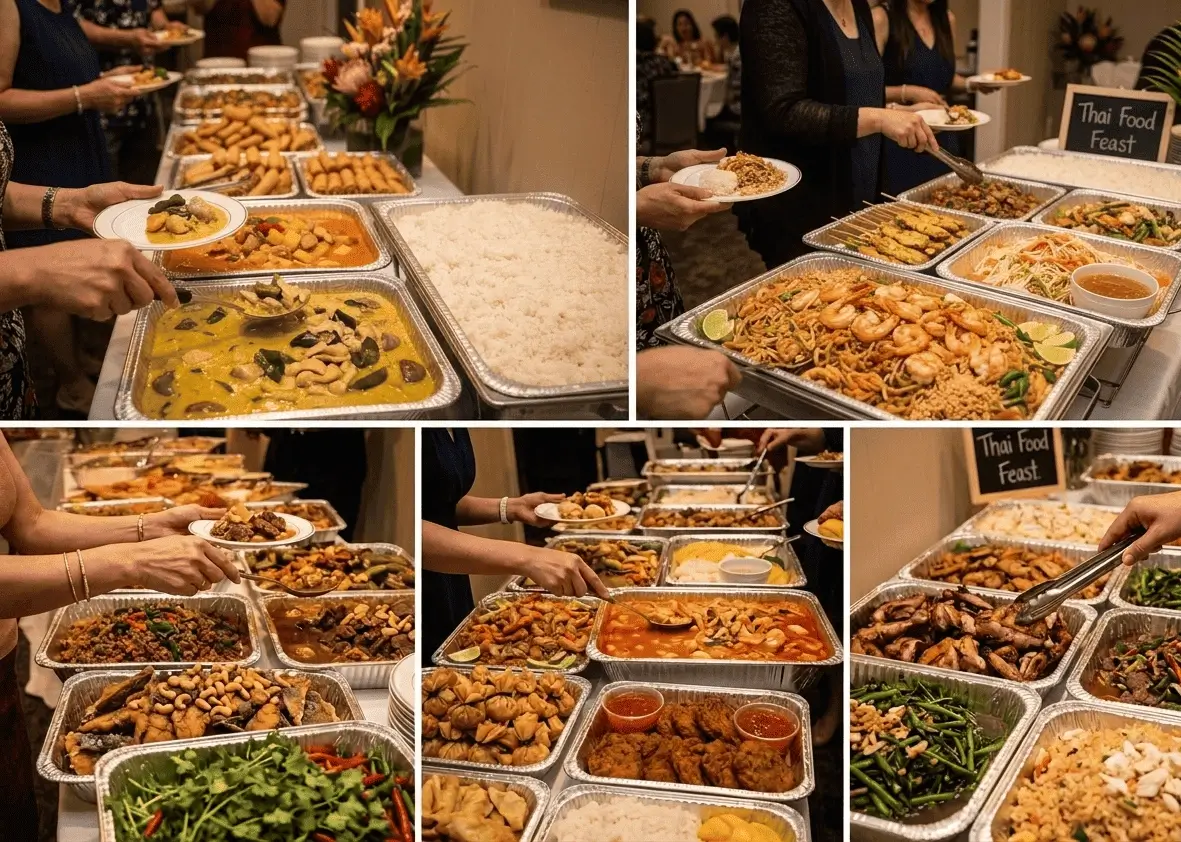
Downtown catering works best when menu planning and delivery radius are considered together from the start.
In downtown Toronto, successful group catering is a planning task before it is a dish-selection task. Organizers need menus that work for mixed diets, buildings that have real access constraints, and event formats that require reliable timing.
Why this micro-location matters
downtown core offices has repeated catering demand from teams that need reliable weekday service. The winning approach is to pair menu simplicity with predictable logistics.
Planning playbook for 5km delivery planning
- Use realistic delivery windows for towers with elevator traffic.
- Share exact floor, contact, and room details in advance.
- For 10+ guests, align menu complexity with setup constraints.
Menu structure that works for downtown delivery
A strong mixed-group format typically includes:
- vegetarian main with full-tray volume
- one complementary protein tray for broader preference coverage
- one vegetable-forward support dish
- one rice or noodle anchor for serving stability
This keeps service practical and reduces risk during tight lunch windows.
Related pages in the downtown catering cluster
- Catering near PATH and Union Station
- Catering near Union Station Toronto
- Catering near MaRS Discovery District
- Catering near King-Spadina offices
For your next order, submit event details on Evergreen Thai catering using the quote form.
Advanced mixed-diet planning model
High-performing mixed-group orders are built with role-based tray design, not ad-hoc substitutions:
- anchor trays: substantial vegetarian mains with real volume
- bridge trays: dishes that both vegetarian and non-vegetarian guests can share
- confidence layer: explicit ingredient notes for egg, dairy, nuts, spice sensitivity, and optional substitutions
KPI stack for dietary reliability
For recurring office and event orders, track:
- dietary confidence score from organizer feedback
- vegetarian tray depletion pattern vs expected usage
- post-event complaint rate linked to unclear ingredients
- reorder rate from mixed-diet teams
Failure modes to avoid
- treating vegetarian dishes as side-only coverage
- volume sized only to strict vegetarian headcount
- ambiguous ingredient communication in planning notes
- over-fragmented orders that reduce table cohesion